
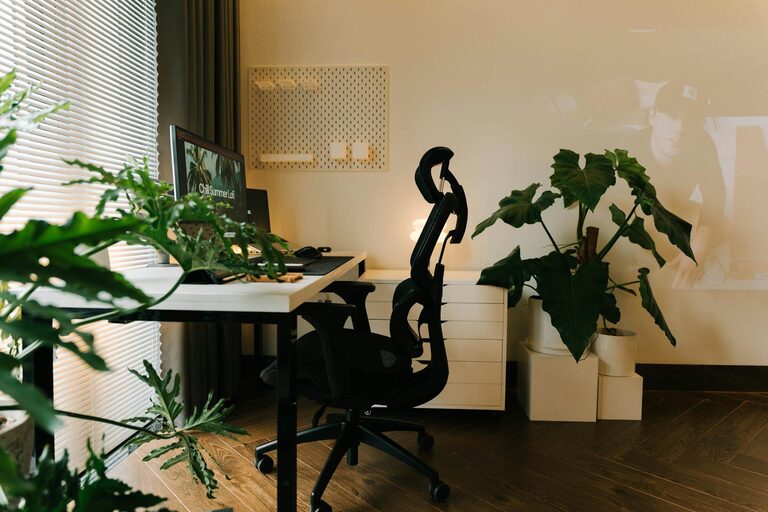
Creating a home office that blends comfort with functionality is essential for anyone working from home or pursuing personal projects. A well-designed workspace can boost productivity, reduce stress, and make your daily tasks more enjoyable. In this guide, we share tips to help you set up a cozy and efficient home office tailored to your needs.
Choose the Right Location
Selecting the perfect spot for your home office is the first step. Consider a quiet area with natural light, such as near a window or in a spare room. Avoid high-traffic zones to minimize distractions. If space is limited, a corner in a living room or bedroom can work well when properly organized.
Benefits of Natural Light
Natural light improves mood and focus. Position your desk close to windows to maximize sunshine, but be mindful of glare on screens. Using adjustable blinds or curtains can help control light levels throughout the day.
Invest in Comfortable and Ergonomic Furniture
Your chair and desk are the foundation of a functional workspace. Choose pieces that support good posture and reduce physical strain.
– Ergonomic chair: Look for adjustable height, lumbar support, and cushioning to keep your back comfortable.
– Desk size: Ensure your desk has enough space for your computer, paperwork, and other essentials without feeling cluttered.
– Standing desks: Consider a sit-stand desk option for flexibility and to encourage movement during the day.
Organize with Smart Storage Solutions
Clutter can hinder productivity and create a stressful environment. Use practical storage options to keep your office tidy and organized.
– Shelves and cabinets: Utilize vertical space with wall-mounted shelves or closed cabinets.
– Desk organizers: Keep pens, papers, and gadgets neatly arranged with trays, holders, and drawer dividers.
– Cable management: Use clips or cable boxes to prevent tangled cords.
Personalize Your Space for Comfort
Adding personal touches can make your home office inviting and inspire creativity.
– Colors: Choose calming colors like soft blues, greens, or neutrals to create a soothing atmosphere.
– Plants: Incorporate greenery for a fresh look and improved air quality.
– Decor: Include artwork, photos, or meaningful objects to reflect your personality.
Optimize Lighting for Productivity
In addition to natural light, good artificial lighting is key.
– Task lighting: Use adjustable desk lamps to focus light on your work area, reducing eye strain.
– Ambient lighting: Soft overhead lights or floor lamps provide overall illumination.
– Avoid harsh lighting: Position lights to prevent shadows and glare on screens.
Minimize Noise and Distractions
A peaceful environment helps maintain focus.
– Noise-cancelling headphones: Useful for blocking out background sounds.
– Soft furnishings: Rugs, curtains, and cushions can absorb noise and create a cozy feel.
– Door or partition: Use these to separate your workspace from the rest of the home.
Establish a Routine and Boundaries
Having a dedicated workspace encourages work-life balance.
– Set clear working hours to avoid overworking.
– Inform family members or housemates about your schedule.
– Take regular breaks to move around and rest your eyes.
Technology and Connectivity
Reliable technology supports smooth workflow.
– Ensure high-speed internet connection.
– Use quality peripherals like keyboards, mice, and monitors for comfort.
– Consider backup solutions, such as external drives or cloud storage.
Final Thoughts
Designing a cozy and functional home office takes some planning but pays off in comfort and efficiency. By selecting the right location, investing in ergonomic furniture, keeping your space organized, and personalizing it to suit your taste, you can create an environment where work feels less like a chore and more like a pleasure. Remember, the key is to balance aesthetics with practicality to support your unique needs.