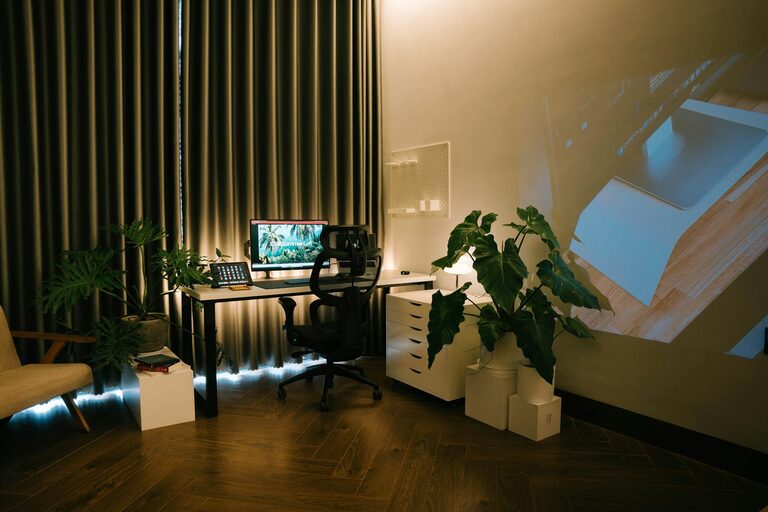
Creating a home office that is both cozy and productive can significantly improve your work-from-home experience. When your workspace feels inviting and functional, you’ll be more motivated, focused, and comfortable throughout the day. Whether you’re setting up a dedicated room or just a small corner, these tips will help you design an ideal home office.
Choose the Right Location
Find a Quiet Spot
Select a space in your home that offers minimal distractions. If possible, choose a room with a door to reduce noise and interruptions. Avoid high-traffic areas, such as busy living rooms or kitchens.
Consider Natural Light
Natural light boosts mood and energy, so pick a spot near a window. If natural light is limited, invest in good quality artificial lighting that mimics daylight to reduce eye strain.
Invest in Comfortable Furniture
Ergonomic Chair and Desk
Comfort is key for long hours at your desk. Choose an ergonomic chair that supports your back and encourages good posture. Pair it with a desk at the right height to keep your arms and wrists comfortable.
Personalize Your Space
Add cushions, throws, or a soft rug to make your workspace more inviting. Personal touches can make your home office feel welcoming and less sterile.
Organize Efficiently
Declutter Regularly
A tidy workspace promotes clear thinking. Use storage solutions like shelving, drawers, or boxes to keep your desk neat. Regularly evaluate what you need and clear out clutter.
Use Practical Storage
Keep essential items within reach using desk organizers or wall-mounted shelves. Label files and containers to find what you need quickly and save time during your workday.
Create a Productive Environment
Control Temperature and Air Quality
Maintain a comfortable temperature and ensure good ventilation. Fresh air helps keep you alert and focused. If necessary, use a fan or air purifier to improve air quality.
Minimize Distractions
Turn off notifications on your phone and computer when focusing on tasks. Consider noise-cancelling headphones or white noise machines to block background sounds.
Incorporate Inspiring Elements
Add Plants
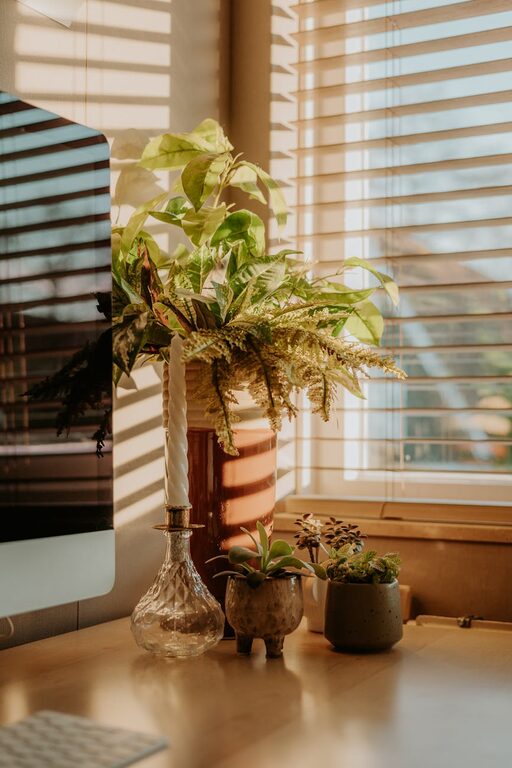
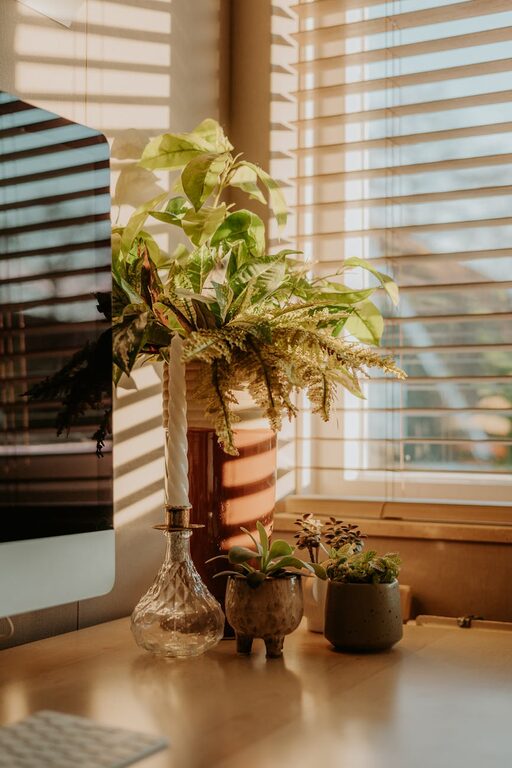
Indoor plants not only enhance aesthetics but also improve air quality. Even small plants or succulents can add life to your office and reduce stress.
Display Motivational Items
Use artwork, quotes, or photos that inspire you to stay motivated. Just be careful not to overcrowd your space with too many decorations.
Manage Your Technology Setup
Choose Functional Tools
Invest in reliable technology such as a fast internet connection, good-quality headphones, and a webcam if you attend video meetings. Having efficient tools reduces frustration and saves time.
Maintain Cable Management
Keep cables and chargers organized with clips or boxes. This prevents tangling and keeps your desk area tidy.
Establish Clear Boundaries
Set Work Hours
Define your work schedule to separate professional and personal time. Communicate your working hours to family or housemates to minimize interruptions.
Use Visual Cues
Consider using room dividers or designated signs to indicate when you are busy. This helps create mental and physical boundaries to support focus.
Take Breaks and Move
Schedule Regular Breaks
Breaks prevent burnout and help maintain productivity. Set reminders to stand, stretch, or take brief walks every hour.
Create a Relaxation Corner
If space allows, add a small area with a comfy chair or cushion where you can step away from your desk for breaks or brainstorming sessions.
—
Creating a home office space that balances comfort and productivity is achievable with thoughtful planning. By paying attention to lighting, furniture, organization, and the overall vibe, you can craft a work environment where you feel motivated and at ease. Start small and adjust your space as you find what works best for your unique needs. Happy working!